

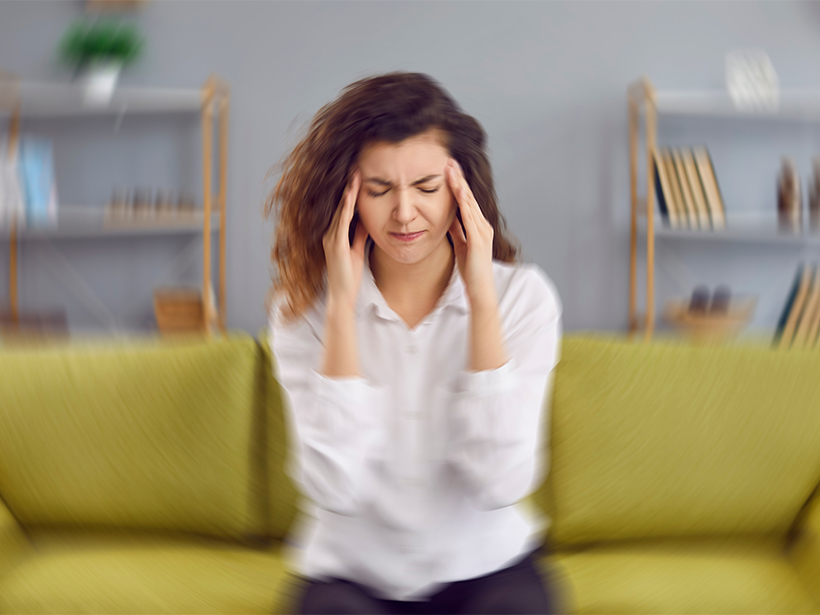
Understanding Migraines
Migraines are more than just bad headaches - they are a complex neurological condition with wide-ranging effects, often including on the visual system. For those who suffer from migraines, especially when light sensitivity, visual disturbances, and headaches impede day-to-day function, it’s important to understand the science behind them. The more we understand about this often chronic and debilitating condition, the more we’re able to find ways to reduce their impact or even prevent them through treatments. This includes the role of light-filtering technologies like the Avulux lens.
What Is a Migraine?
A migraine is a recurrent neurological disorder characterized by moderate to severe head pain often accompanied by nausea, vomiting, and sensory sensitivities, particularly to light and sound. Unlike tension headaches, migraines are typically pulsating and often affect one side of the head.
They can last from up to 72 hours without treatment, and may be preceded by visual warning signs or “auras” in some sufferers. Auras are most commonly visual in nature.
These visual auras often present as zig-zag lines, flashing lights, or a shimmer present in both eyes that can last on average from a few minutes to an hour.
What Is a Retinal/Ocular Migraine?
Retinal migraine is a rare subtype that primarily affects vision. It typically presents with temporary visual disturbances in one eye, such as:
Blind spots (scotomas)
Flashes of light
Temporary loss of vision
These visual symptoms can occur with or without the headache pain typical of migraine. The exact cause is thought to involve changes in blood flow or neurologic activity in the retina or visual pathways.
Ocular migraines differ from classic migraines with aura in that aura generally affects both visual fields and reflects cortical spreading depression in the brain, rather than focal changes in one retina.
Prevalence and Impact
Migraines are common worldwide:
Roughly 15% of people in the U.S. experience migraines.
Worldwide, more than a billion people are affected.
Migraines affect women three times more often than men, particularly between ages 30–40.
About 2% of people globally experience chronic migraine — defined as headaches on ≥15 days per month.
Beyond pain, migraines are highly disabling; the World Health Organization ranks them among the top causes of years lived with disability globally. They often result in lost productivity and reduced quality of life. (2)
What’s Happening in the Brain?
Although the full migraine process is still being studied, scientists understand several key elements:
Neurological and Physiological Mechanisms
Migraines involve complex interactions between the brainstem, cranial nerves (especially the trigeminal nerve), and blood vessels. During an attack:
Abnormal neuronal excitability and spreading waves of electrical activity occur in brain tissue — this is linked to aura symptoms.
Blood vessels in the brain and meninges dilate and stimulate pain-sensitive structures.
Neurotransmitters, including calcitonin gene-related peptide (CGRP), are released and amplify pain signals.
Physiological symptoms often include throbbing head pain, nausea, light sensitivity (photophobia), and in some cases sound or smell sensitivity.
Triggers That Can Bring on a Migraine
Migraine attacks can be triggered by a wide range of factors, and triggers often vary between individuals. Common triggers include:
Light - especially bright, flickering, or certain wavelengths.
Stress or emotional changes
Sleep disturbances
Hormonal fluctuations
Weather changes
Certain foods or additives (though evidence varies)
Visual strain from screens or glare
Light sensitivity is particularly relevant in eyecare medicine. Up to ~60% of migraine attacks can be triggered by light exposure, and photophobia is one of the most bothersome symptoms reported, after pain itself.
Impact on Quality of Life
Living with chronic migraines can significantly alter daily life:
Activities of daily living such as work, social interaction, and family time may be limited during attacks.
Productivity can be reduced by ≥50% during migraine episodes. Many sufferers report missing important life events due to the unpredictability and severity of attacks.
Testing, treatments, and doctors visits for chronic migraines can be costly and time consuming.
Migraines can also strain mental health, contributing to anxiety and depression, and make activities involving light and vision particularly challenging.
Treatment Options
There’s no cure for migraines, but numerous treatments aim to reduce frequency, severity, and disability.
Acute (Abortive) Treatments
These are taken at the onset of an attack to reduce pain and associated symptoms:
NSAIDs and acetaminophen
Triptans and gepants (target specific migraine pathways)
Anti-nausea medications
Preventive Treatments
Taken regularly to reduce migraine frequency:
CGRP inhibitors
Beta-blockers, antidepressants, anticonvulsants
Botox injections for chronic migraines
Non-Pharmacologic Approaches
Lifestyle changes (sleep, hydration, diet management)
Biofeedback and relaxation techniques
Neuromodulation devices
Supplements such as magnesium may help some patients, though evidence varies and they should be discussed with a clinician.
Light-filtering technologies
Each treatment has potential benefits and limitations — what works well for one person might be less effective in another. Side effects and patient preferences must be considered in personalized treatment plans.
Light Sensitivity and Eyecare
Photophobia - sensitivity to light - is one of the most frequent and disruptive migraine symptoms. Standard sunglasses, FL-41 tinted lenses, and general blue-light filters can help some people with visual discomfort, but many are not designed specifically for migraine photophobia and lack robust clinical evidence supporting their effectiveness.
The Avulux Lens: Targeted Light Management for Migraines
For patients whose migraines are triggered or worsened by light, Avulux migraine & light sensitivity lenses offer a specialized optical solution. These lenses are designed with a precision light-filtering technology that blocks specific wavelengths linked to migraine provocation (blue, amber, and red light) while allowing more soothing green wavelengths to pass through.
Clinical Evidence
Double-blind, randomized, placebo-controlled trials have shown that Avulux lenses can provide statistically and clinically significant relief in migraine attacks when worn early in an attack, compared with clear sham lenses.
Pilot studies of spectral notch filters helped guide the development of Avulux technology by demonstrating that blocking certain wavelengths could reduce migraine intensity.
Real-World Outcomes
Surveys of wearers report high percentages experiencing reduced light sensitivity, soothing sensations during attacks, and improved engagement in daily activities.
Key Features
Filters up to ~97% of light wavelengths associated with migraine triggers.
Allows a high proportion of soothing green light.
Clinically tested and designed specifically for migraine and photophobia.
Limitations and Considerations
While not a universal cure, Avulux can be a non-invasive complement to medical therapies and lifestyle strategies, especially for patients whose migraines are closely tied to light exposure. Not all individuals experience benefit, and effectiveness can vary.
Summary
Migraines are a complex neurological disorder that frequently intersects with visual symptoms and light sensitivity. Proper diagnosis, identification of individual triggers, and a personalized combination of treatments — from medications to lifestyle strategies — are critical to improving quality of life. For those with significant light-triggered migraines, targeted optical solutions like Avulux lenses represent a scientifically supported option that may reduce triggers and improve comfort in both daily activities and during migraine episodes.
If you frequently experience light sensitivity or vision changes with your headaches, discussing migraine and light-management strategies — including specialized optical filters — with your eyecare provider can be an important step toward relief.

