

Why Are My Child’s Eyes Strained After Returning to School in Duvall? (Myopia Signs Every Parent Should Watch)
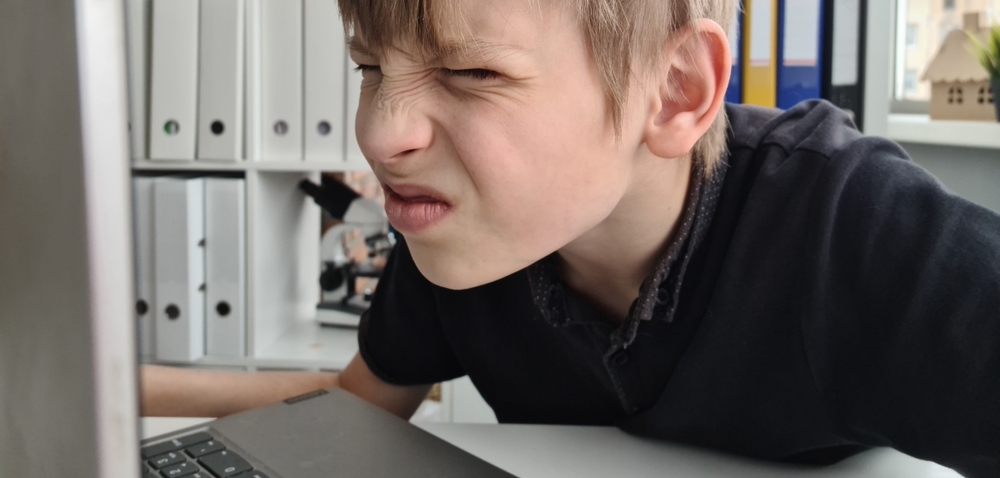
Returning to school means more reading, computer use, homework, and time focusing up close. For some children, this increase in visual demands can lead to tired or strained eyes. While occasional eye fatigue does not necessarily mean your child has myopia, persistent symptoms are a good reason to schedule a comprehensive eye exam.
Myopia, or nearsightedness, often begins during childhood and can progress as children grow. Recognizing possible signs early allows us to determine whether your child needs vision correction, myopia management, or another form of eye care.
Why School Can Make Eye Strain More Noticeable
Children may spend several hours each day switching between books, tablets, laptops, and classroom displays. Their eyes must continually focus and work together during these activities.
Eye strain can also become more noticeable when a child has an uncorrected vision problem. Because changes in eyesight can happen gradually, children may not realize their vision has changed or know that what they are seeing is not normal.
Signs of Myopia Parents Should Watch For
Myopia primarily affects distance vision. Your child may be able to read a book or tablet clearly while struggling to see the classroom board or objects farther away. Signs that may warrant an eye exam include:
• Squinting to see distant objects
• Moving closer to the television or classroom board
• Complaining that distant words or objects look blurry
• Frequently rubbing the eyes after school or homework
• Experiencing headaches or tired eyes during visually demanding activities
• Difficulty recognizing people or signs from farther away
• Changes in classroom performance related to difficulty seeing the board
These symptoms are not always caused by myopia, which is why a comprehensive eye exam is important for identifying what is affecting your child's vision.
Why School Vision Screenings Are Not Enough
School vision screening season can lead some parents to believe that a passing result means their child's eyes are healthy. While school screenings can be helpful for identifying certain vision concerns, they do not replace a comprehensive eye health exam.
A screening generally provides only a limited look at how clearly a child can see. A comprehensive eye exam allows us to evaluate visual acuity, prescription needs, how the eyes work together, and the overall health of the eyes. Some vision and eye health problems may not be identified during a basic school screening.
Even if your child passes a school vision screening, regular comprehensive eye exams remain important, especially if they are experiencing headaches, eye strain, squinting, or difficulty seeing at school.
Managing Childhood Myopia
Childhood myopia can continue to progress throughout the school years. At Duvall EyeCare, we offer myopia management options for children and teens based on their prescription, eye health, age, and individual needs.
Options may include specialized contact lenses, atropine eye drops, or Stellest lenses. Essilor Stellest spectacle lenses correct blurry distance vision while incorporating specialized lens technology designed to help slow myopia progression. They can be an option for children who prefer glasses or may not be ready for contact lenses.
Because every child's eyes are different, we determine which approach is most appropriate after a comprehensive evaluation. Ongoing monitoring is also important because no myopia treatment can guarantee that progression will stop completely.
When To Schedule Your Child's Eye Exam
If your child is repeatedly complaining about strained eyes after school, squinting at distant objects, or having trouble seeing in the classroom, schedule a comprehensive eye exam in Duvall. We can evaluate their prescription, visual function, eye health, and any changes that may be contributing to their symptoms.
Schedule your child's eye exam at Duvall EyeCare to check for myopia and learn more about myopia management options, including Stellest lenses. Contact our office in Duvall, WA, at (425) 788-2990 to book an appointment today.

All Eye
Care Services

Keep
In Touch

© 2026 Duvall EyeCare. All rights Reserved. Privacy Policy Accesibility Statement
Powered by:
